How to Plate a Big Salad Like You Meant It
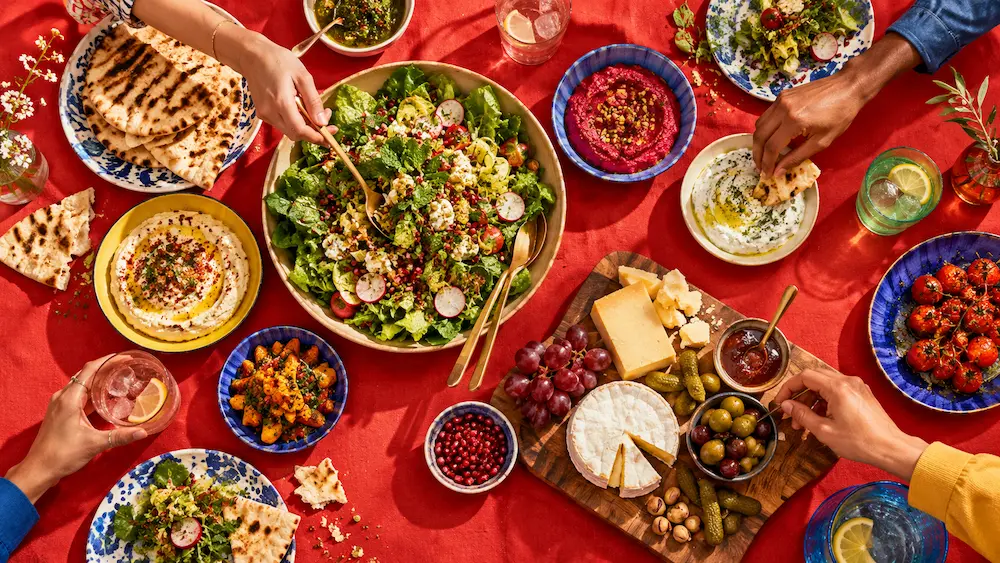
Most salads are tossed in a bowl and served from it, which is practical and rather dull. Plating a big salad on a wide platter takes ninety extra seconds and changes how it feels at the table. People see the ingredients, notice the colours and want to eat it.
Start with the vessel
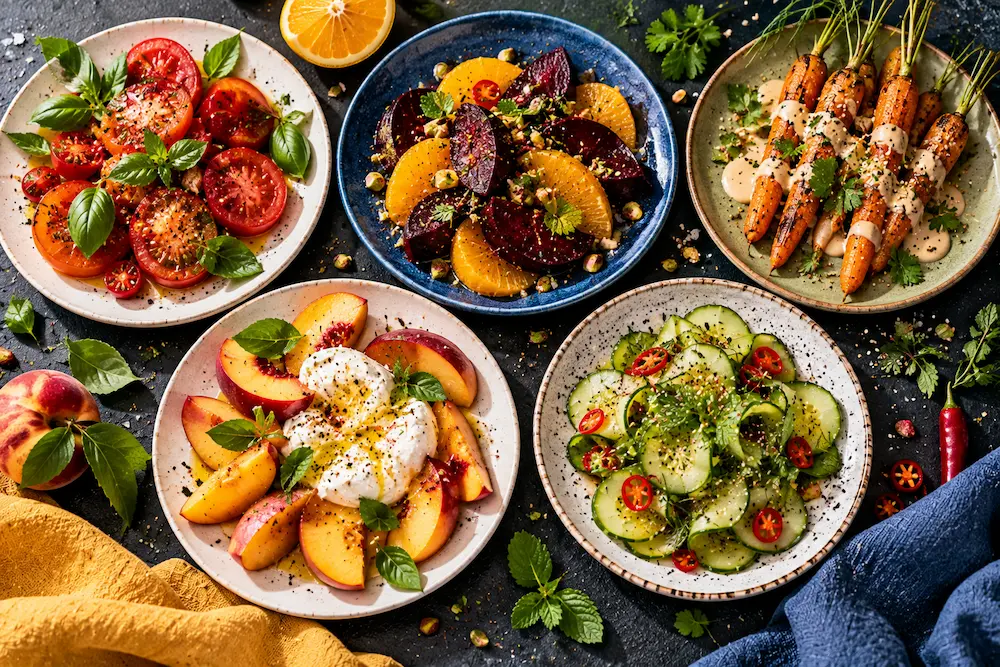
Choose a wide, shallow platter or large plate rather than a deep bowl. A bowl hides everything beneath the top layer; a platter shows it all. A plate with a rim keeps dressings from running off. A dark or neutral plate lets colours glow, while a bright one can work if the ingredients are muted.
Build in layers, not in a heap
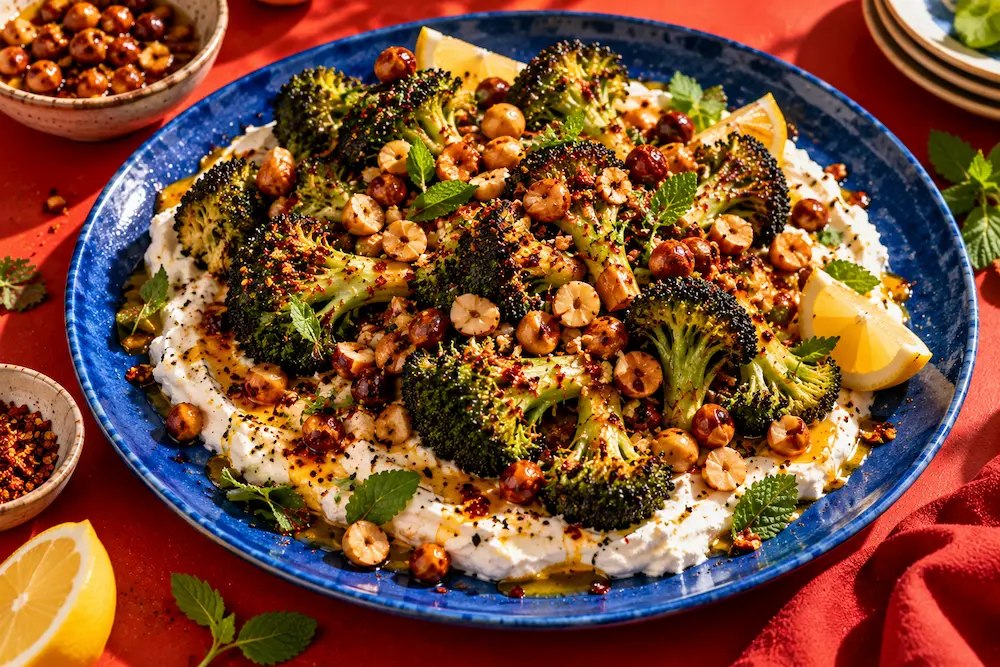
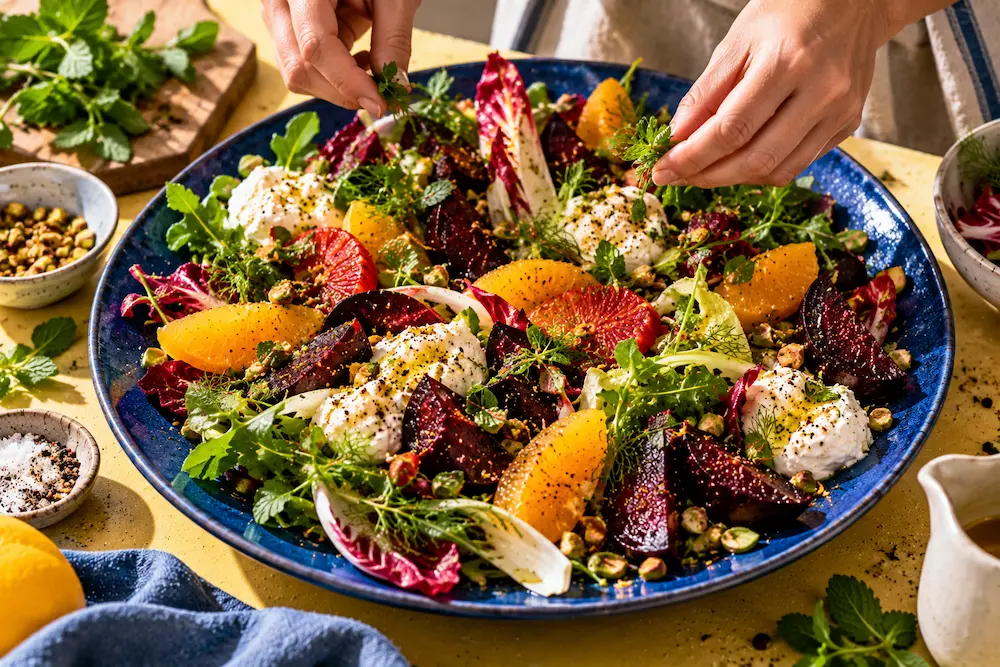
Begin with a base: leaves, a swirl of yoghurt or hummus, a puddle of dressing. Add medium-weight items next, such as roasted vegetables, sliced fruit or beans, leaving a little space between pieces so you can see the base. Finish with the lightest, most delicate toppings: herbs, seeds, crumbled cheese.
Think height, then gaps
Flat food looks flat. Lift some elements by tucking leaves under larger pieces or stacking wedges at a slight angle. Create a couple of gentle peaks across the plate and let some areas stay calm. Negative space is not wasted. It lets the eye rest and the colours stand out.
Use odd numbers and varied sizes
Groups of three or five look more natural than pairs or fours. Cut some pieces big and some small. Tear rather than slice where you can, because torn edges catch light and look generous.
Colour does the heavy lifting
- Choose a dominant colour and one or two accent colours.
- Keep greens vibrant by dressing them just before serving.
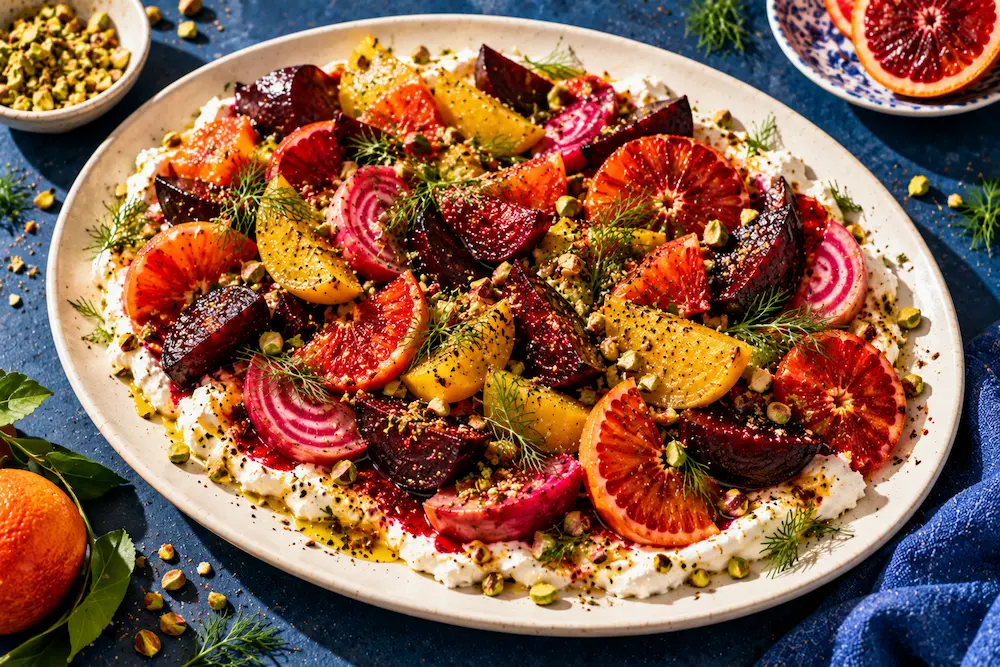
- Add a contrasting colour at the end: pomegranate against green, orange against beetroot, yellow lemon zest against white cheese.
- Wipe the plate rim with a clean cloth before serving.
Dress with restraint
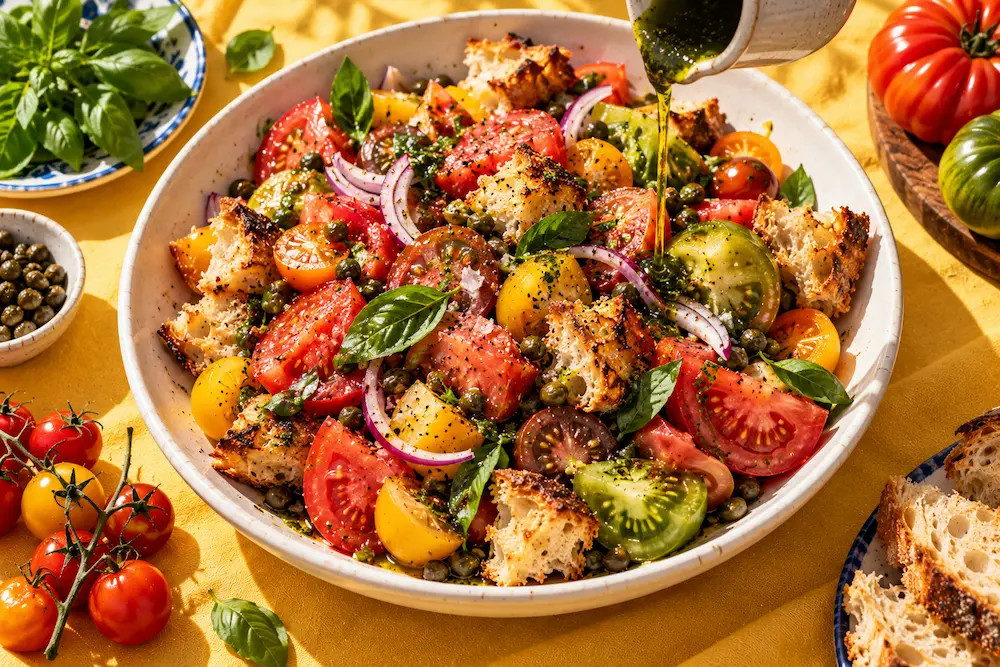
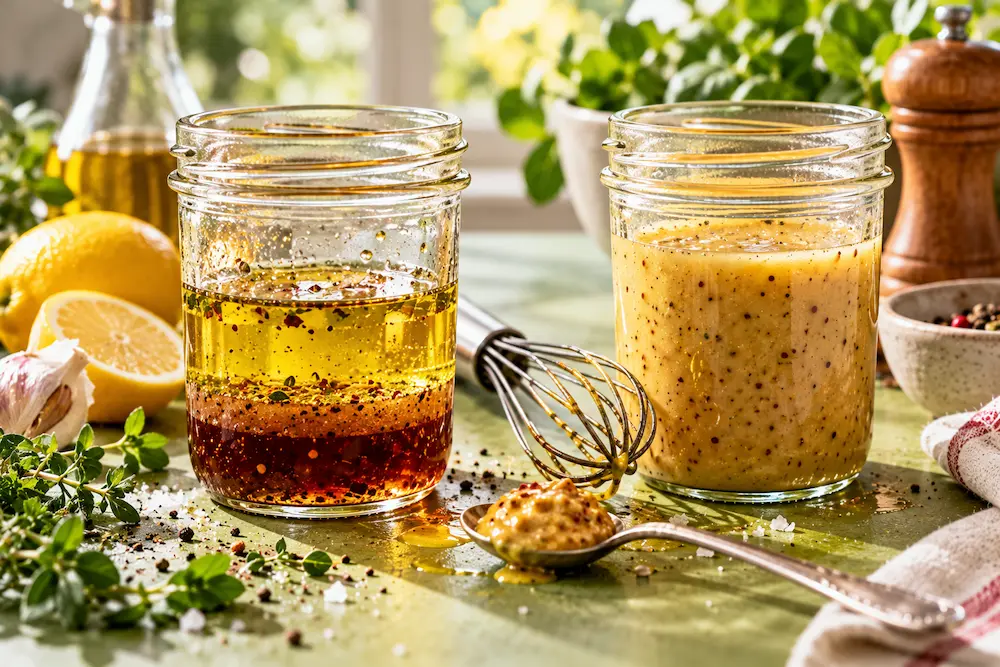
Dress the leaves lightly in a bowl first, then place them on the plate. Spoon extra dressing around the dish rather than over it, so people can add more. A big wet pool in the bottom of the platter dulls the look.
The last five seconds
Finish with flaky salt, a few cracks of black pepper, a drizzle of good olive oil and a scatter of fresh herbs. These small touches add flavour and sparkle. Then step back. If it looks like you tried too hard, remove one thing.
The goal is not perfect. It is generous, colourful and slightly wild.
Practice makes appetising
A five-minute plating drill
Practise on any salad you already make. It takes less time than it sounds.
- Swirl or spoon your creamy element onto the platter first, off-centre.
- Lay your biggest, heaviest items in a loose arc, leaving gaps.
- Tuck leaves and herbs underneath and between the pieces to build height.
- Add small, bright accents, such as pomegranate, citrus segments or pickled onion, in odd numbers.
- Finish with crunch, flaky salt and oil, then wipe the rim of the plate.
Do it a few times and the sequence becomes instinct. Soon you will be plating by eye, which is exactly the point.
In The Big Salad Edit, we spend the last twenty minutes of the workshop on assembly. Each participant plates their own platter and we take a quiet moment to look at what each person has done before everyone sits down to eat.